Beyond Pleasure: The Hidden Psychology of Sexual Desire

The Unseen Message of Desire
You might believe that sex is simply about pleasure, yet deep down, you likely sense it is far more significant. There are thoughts you never voice. There are fantasies you keep hidden, even from your own conscious mind. There are desires that arise in silence, often followed closely by shame.
But what if these urges were not a problem to be solved? What if they were actually a message? Your unconscious mind uses desire as a mirror to show you parts of yourself you have refused to see. Carl Jung did not view sex as merely biological. He believed it was a psychological fire, the very energy of your soul attempting to speak. The more you ignore it, the more it begins to dominate you from the shadows.
This article explores the unseen power of sexual energy within the psyche. It is not about behavior; it is about the desire that lives in your dreams, your wounds, and your identity. We will explore how repressed sexuality forms your shadow, how attraction is frequently a form of projection, and how your deepest fantasies can reveal your unhealed parts.
Libido as Psychic Energy
Sex does not begin in the body. It begins in the imagination long before any touch occurs. It moves through the nervous system like a quiet flame, awakening sensation and emotion alike. There is an inherent spiritual quality to it, even if it is rarely spoken of that way.
Carl Jung called this force libido, but he differed significantly from Freud. While Freud saw libido mostly as a biological drive, Jung viewed it as a universal, symbolic energy that fuels creativity, connection, longing, and transformation. He believed sexuality was one face of the psyche’s life force: raw, wild, and deeply human.
When you feel sexual attraction, it is not always about the other person’s body. Sometimes, it is your soul reaching for something it feels is missing within itself. Desire becomes a signal pulling you toward growth rather than just pleasure. However, society often teaches us to either act on these impulses without thought or to suppress them entirely. Neither approach leads to understanding.
“Libido is not just the sexual instinct… it is the energy of life itself.”
If you have ever felt guilty for wanting more, or if you have chased passion only to feel emptier afterward, it is because you were chasing the surface of desire rather than the source. That source is always psychological.
The Shadow of Repressed Desire
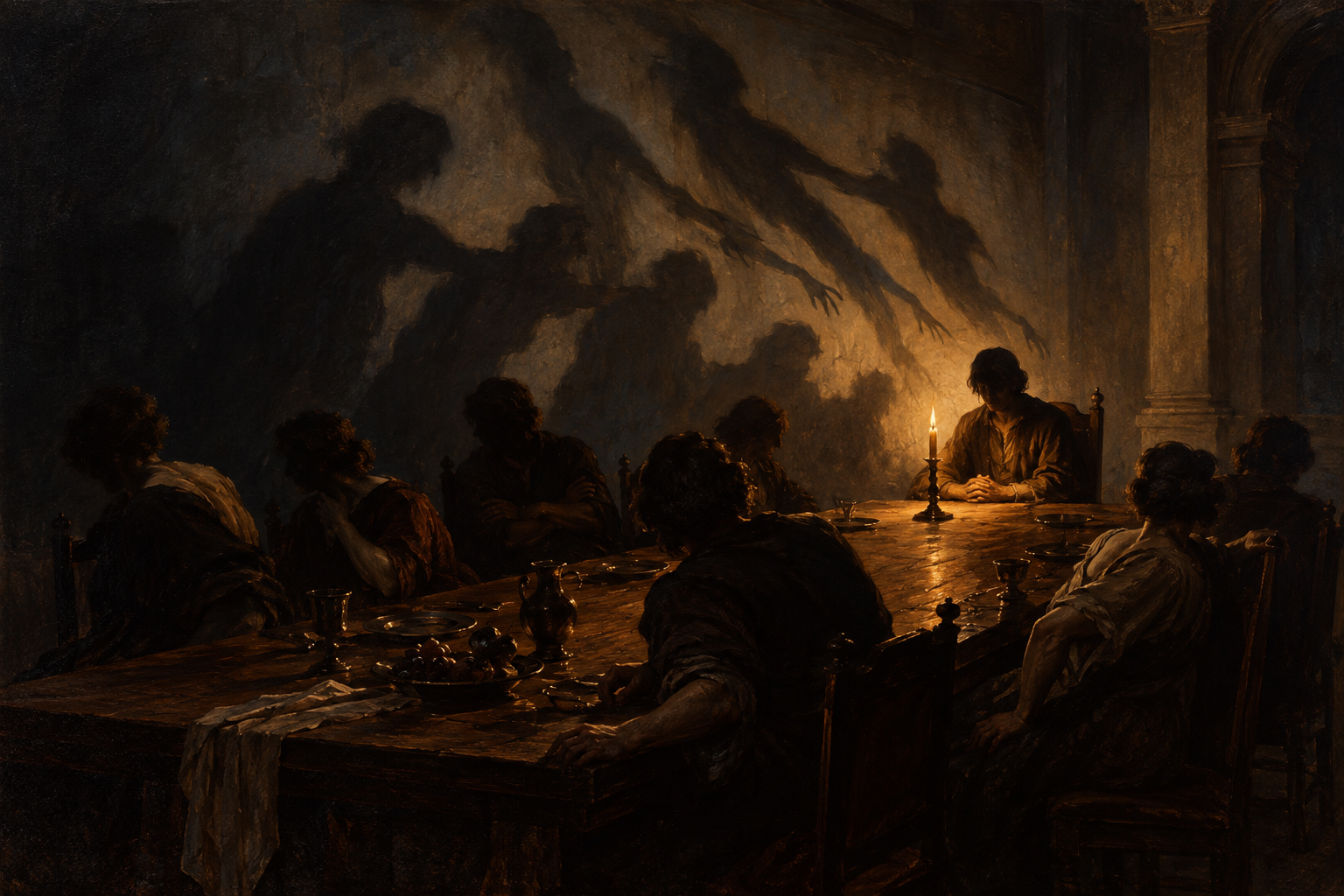
Desire that is not welcomed does not vanish; it sinks. It slips beneath the surface of your awareness and settles into the unconscious. There, it waits.
Jung called this space the Shadow. It is the part of you that you try not to see: the parts you deny, reject, judge, or hide. When sexual desire is repressed and shamed rather than understood, it turns inward. It transforms into anger, guilt, or obsession.
Sometimes, this repressed energy manifests as projection onto others. You might find yourself harshly criticizing someone’s clothing, not because it actually offends you, but because it awakens something in you that you have been told to suppress. You might feel envy at someone’s freedom because, deep down, you crave that same liberation.
The shadow carries not only your rage or fear but also your unlived vitality. It holds the wildness you buried to feel safe and the fire you dimmed to be accepted. When you repress sexual energy, you are not just avoiding scandal; you are cutting yourself off from a powerful aspect of your own humanity.
“Until you make the unconscious conscious, it will direct your life and you will call it fate.”
Anima, Animus, and the Sexual Mirror
Not every attraction is about the other person. Sometimes, it is about a part of you trying to return home.
Jung believed that when you fall deeply, irrationally, or obsessively in love, you are often encountering a piece of your own psyche that you have not fully integrated. He called these inner figures the Anima and the Animus. The Anima is the feminine energy within a man, while the Animus is the masculine energy within a woman.
These are not about gender roles but about deep emotional and spiritual qualities. When one of these archetypes is undeveloped, it often appears outside of us, projected onto someone else. We are drawn to people who seem magnetic or mysterious because they reflect back something we have been unconsciously longing to meet within ourselves.
-
The Man’s Dream: When a man dreams of a seductive woman who feels both dangerous and irresistible, it may be his Anima emerging, asking to be known.
-
The Woman’s Vision: A woman pulled toward a stoic, powerful figure may be meeting her own Animus, representing her own strength that she has not yet owned.
To grow psychologically, we must begin a relationship with these inner figures. We must ask: What does my inner feminine want to feel? What does my inner masculine long to build?
Projection: Loving the Fantasy
There are moments when love feels like magic, where you feel finally complete. However, Jung warned that much of what we call love is actually projection. You are not falling for the person standing in front of you; you are falling for the part of yourself they reflect.
This is why some relationships burn with such intensity yet are short-lived. You are in love with an ideal, a rescuer, or a dream. Perhaps they remind you of a distant parent, or they reflect your hunger to be protected. The feelings are real, but the source is often an unfinished story from your past.
Suffering begins when you mistake the projection for the truth. You hold someone hostage to an image they never agreed to carry. You expect them to heal wounds they did not cause. When the illusion inevitably cracks, what is left is often resentment.
The gift of this pain is clarity. When you recognize the projection, you can reclaim yourself. You stop seeking your missing pieces in others and start welcoming them home.
Fantasies as Messengers of Wounds
Most people dismiss fantasies as meaningless random images or secret desires they are too ashamed to voice. But what if fantasies are not random at all? What if they are specific messages from your wounds?
Your sexual fantasies are attempts by the psyche to reorganize pain you have never processed. The mind replays what the heart never healed. The scenarios you imagine are rarely just about lust; they are about power, vulnerability, control, acceptance, or being chosen.
Consider these examples:
-
Relentless Pursuit: If you fantasize about being pursued, it may not be about seduction. It might be the ache of never feeling wanted, a longing to be seen without having to ask.
-
Submission: If your fantasies revolve around submission, it may not be because you are weak, but because you carry the exhaustion of always having to be strong. Deep down, you long to let go of control.
Your fantasy is not a flaw. It is your psyche’s way of revealing where you are still hurting. Jung did not encourage repression; he encouraged a relationship with the unconscious. He suggested we sit with the image and ask, “What do you need from me?”
Integrating the Sexual Shadow
Wholeness does not come from perfection. It comes from no longer hiding the parts of you that you were taught to fear. For many, the most exiled part is their sexuality.
Integration means meeting the shadow not with shame, but with curiosity. Your sexual shadow is the part of you that holds your intensity and your hunger to feel alive. It learned to survive by hiding in the dark, but it longs for the light.
To integrate this shadow, you must sit with the thoughts you usually push away. You must ask what the craving really wants—emotionally and spiritually. You might discover it is not about sex at all, but about connection, freedom, or worth.
When you integrate your sexual shadow, you become less reactive and less controlled by fantasy. You stop chasing intensity as an escape and begin to choose experiences that honor your truth.
The Path Forward: Sacred Awareness
We live in a world that uses sex to sell everything, creating a landscape of performance rather than connection. When this becomes your only mirror, you forget that sexuality was once considered sacred.
The danger is not that we talk about sex too much, but that we talk about it without depth. Jung invited us to be honest according to our own psyche, not according to societal morality. Awareness is what turns instinct into insight.
The path forward is about presence. It is the ability to stay with yourself fully, gently, and without shame. You do not need to silence your desire. You need to listen to what it is teaching you. When you bring sacred awareness to your sexuality, you reclaim a part of yourself that was never meant to be lost. You begin to love without illusions and live without splitting yourself in two.
You were never meant to carry shame for feeling deeply. Desire was never your enemy; it was a messenger asking you to come home to the parts of yourself you silenced.